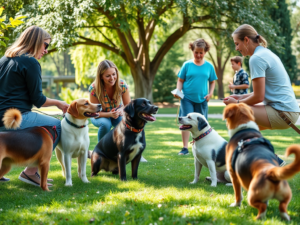

Leaving your dog behind can be stressful, not just for you, but also for your dog. Many dogs struggle emotionally when their owners are away, which often leads to separation anxiety in dogs. The good news is that dog boarding can play a powerful role in reducing separation anxiety when the environment is calm, structured, and emotionally supportive.
In this blog, we’ll explain separation anxiety in simple terms and show how routine-based, stress-free dog boarding can help dogs feel safer, calmer, and more confident while their owners are away.
What Is Separation Anxiety in Dogs?
Separation anxiety is an emotional condition that occurs when a dog becomes extremely distressed after being separated from their owner. It is not bad behaviour or disobedience—it is a fear-based response caused by insecurity and emotional dependence.
Common Signs of Separation Anxiety in Dogs
- Excessive barking, whining, or howling
- Destructive behaviour like chewing or scratching
- Pacing, trembling, or restlessness
- Loss of appetite
- Accidents inside the home
- Withdrawal, sadness, or depression
Some dogs experience mild anxiety, while others suffer more intensely. Rescue dogs, highly attached dogs, and dogs with little social exposure are often more vulnerable.
Why Being Home Alone Often Makes Anxiety Worse
When dogs stay home alone for long periods, they usually experience:
- No daily structure
- Little mental stimulation
- No social interaction
- No emotional reassurance
This isolation gives anxious thoughts room to grow. Dogs do not understand when their owner will return—only that they are suddenly alone. Over time, this uncertainty increases stress and fear.
This is where professional long term dog boarding for anxious dogs can help.
How Dog Boarding Helps Reduce Separation Anxiety
Not all boarding environments are the same. High-quality dog boarding focuses on emotional balance, routine, and human connection—three things anxious dogs desperately need.
Boarding Provides a Predictable Routine
Dogs feel safest when their day follows a pattern. Routine-based dog boarding includes:
- Regular feeding schedules
- Consistent walks or playtime
- Quiet rest periods
- Daily human interaction
This predictability replaces uncertainty with stability, helping dogs relax and feel secure.
Dogs Stay Engaged and Mentally Stimulated
Boredom increases anxiety. Stress-free dog boarding keeps dogs mentally active through:
- Supervised play sessions
- Safe outdoor exploration
- Calm enrichment activities
When dogs stay engaged, they focus less on missing their owner and more on their surroundings.
Human Presence Provides Emotional Comfort
Dogs are social animals. Being around calm, caring people helps them feel protected and understood.
In a supportive boarding environment:
- Dogs are not left alone for long periods
- Staff interact gently and consistently
- Dogs receive reassurance through voice, touch, and routine care
This human presence significantly reduces fear and emotional stress.
Physical Activity Helps Release Anxiety
Exercise is one of the most natural ways to reduce anxiety in dogs.
Boarding environments that offer:
- Open movement areas
- Regular walks
- Supervised playtime
help dogs release excess energy that might otherwise turn into anxious or destructive behaviours.
Why a Calm Boarding Environment Matters More Than Size
Many pet owners assume busy boarding facilities are better—but for anxious dogs, calm matters more than crowds.
A balanced dog boarding environment focuses on:
- Small, manageable groups
- Controlled social interactions
- Quiet resting areas
This prevents overstimulation and allows dogs to adjust at their own pace, which is particularly important for dogs prone to anxiety.
How Routine Dog Boarding Builds Long-Term Confidence
When dogs experience boarding regularly—not just once a year—they begin to:
- Learn that separation is temporary
- Build emotional independence
- Gain confidence in new environments
Over time, many dogs show less stress during drop-off, settle faster, and may even begin to enjoy their boarding stays.
Preparing Your Dog for a Stress-Free Boarding Experience
Pet owners can support their dog’s emotional well-being before boarding begins.
Tips for Owners:
- Stay calm during drop-off (dogs sense emotions)
- Avoid long or emotional goodbyes
- Bring familiar items like bedding or favourite toys
- Share your dog’s routine and habits with staff
Preparation helps dogs transition smoothly and reduces anxiety during the initial adjustment period.
When Dog Boarding Should Be Combined With Training
Some dogs need extra help. If anxiety is severe, dog boarding with training can be especially effective.
Training supports anxious dogs by:
- Teaching coping skills
- Improving confidence
- Reducing fear-based behaviours
- Creating clearer communication
This combined approach supports both emotional and behavioural health.
Choosing the Right Boarding Facility for an Anxious Dog
Before choosing a boarding facility, ask important questions:
- How much human interaction do dogs receive daily?
- Is there a structured routine?
- Are dogs grouped carefully based on temperament?
- How is stress monitored and managed?
A quality boarding facility should feel calm, safe, and intentional, not rushed or overcrowded.
Final Thoughts: Dog Boarding Can Be a Positive Experience
Separation anxiety is real—but it doesn’t have to control your dog’s life.
With the right dog boarding environment, dogs can:
- Feel secure instead of scared
- Stay engaged instead of isolated
- Build confidence instead of fear
Dog boarding isn’t just a place to stay—it can be a powerful tool for emotional balance when done correctly. For dogs who struggle when their owners are away, thoughtful, routine-based boarding may be exactly the support they need.
Frequently Asked Questions About Dog Boarding and Separation Anxiety
Can dog boarding cure separation anxiety?
Boarding may not fully cure anxiety, but the right environment can significantly reduce symptoms and build confidence over time.
Is dog boarding safe for anxious dogs?
Yes, when the boarding environment is structured, calm, and supervised by experienced caregivers.
How long does it take for dogs to adjust to boarding?
Most dogs adjust within a few days, especially when routines and human interaction are consistent.